October 23, 2026
The Ingredients That Define an Exceptional Pie Shop
By @messiahysru596
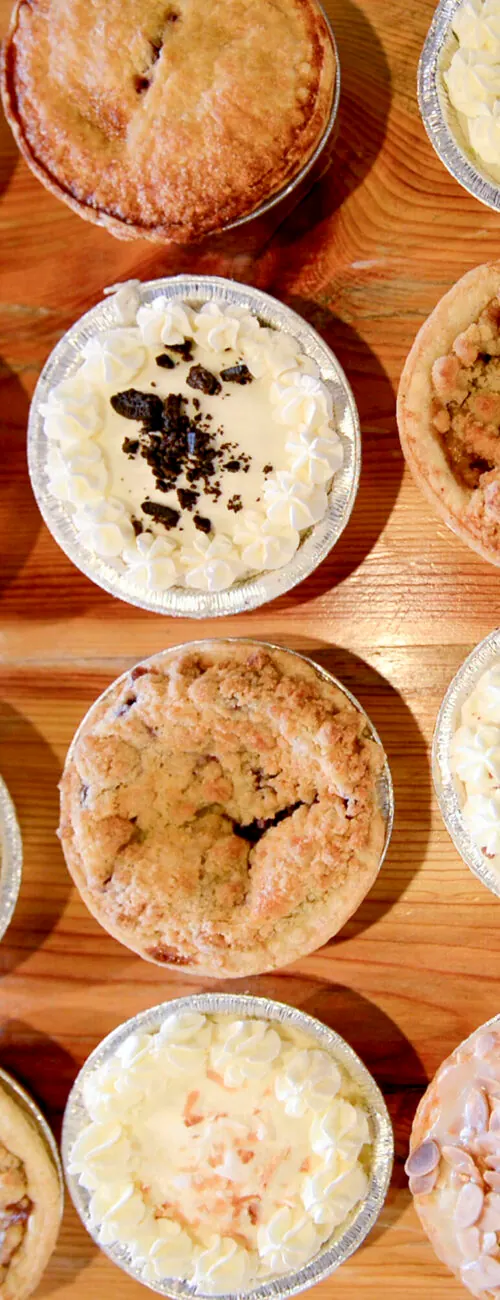


A memorable pie shop is never built on crust alone. People may walk in because they are craving apple, chicken pot pie, or a chocolate cream slice that reminds them of a family gathering, but they come back for reasons that run deeper. The best shops understand that pie sits at a strange and wonderful intersection of craft, comfort, and commerce. It is humble food with very little room for error. A pie that looks charming on the counter can still disappoint if the crust turns tough, the filling tastes muddy, or the balance between sweetness and acid misses the mark by a fraction.
That is part of what makes an exceptional pie shop so distinct. It is not simply selling dessert, or even selling nostalgia. It is producing a product that asks for technical discipline and emotional intelligence at the same time. A great pie has to satisfy instinctively. Customers often cannot explain exactly why one slice feels honest and another feels flat, but they know the difference immediately.
After enough time around bakeries and specialty food businesses, certain patterns emerge. The strongest pie shops tend to share the same foundations, even if their styles differ. One may lean rustic and farm-driven, another polished and urban, another almost diner-like in its warmth. Yet beneath those outward differences, the ingredients that matter most are remarkably consistent.
It starts with a crust that respects the filling
Crust is where a pie shop reveals its standards. You can disguise a mediocre filling with extra sugar, spice, or whipped topping. You cannot disguise bad pastry for long. A crust that shatters into dry crumbs, slumps in the pan, or tastes like nothing more than baked flour tells customers that the shop is cutting corners, even if they cannot articulate it in those terms.
Exceptional crust has structure, flavor, and restraint. It should hold its shape without eating like cardboard. It should have enough salt to sharpen the butter and enough tenderness to yield cleanly under a fork. In a fruit pie, the bottom crust needs to stay intact under juices that may bake for close to an hour. In a custard pie, the shell has to support a softer filling without turning leathery. Savory pies raise the stakes further because they often sit hot, then warm, then ambient, and every stage tests the dough differently.
This is where many pie shops separate themselves from generic bakeries. They know that one dough does not solve every problem. An all-butter crust delivers superb flavor but can be temperamental in a busy production schedule, especially in warm kitchens. A butter and shortening blend may sacrifice some aroma while improving flake and handling. Lard, used well, can create exceptional tenderness, particularly in certain regional styles, though it changes both flavor profile and customer appeal. None of these choices is automatically right or wrong. What matters is whether the shop knows why it chose that formula and executes it consistently.
Consistency is harder than customers realize. Dough reacts to room temperature, flour absorption, humidity, and handling time. Even a ten-minute delay on a stainless prep table can change how a crust bakes. In well-run pie shops, the team watches dough like cooks watch a sauce. They are not just following a recipe. They are reading texture, chill, and elasticity in real time.
Fruit filling is a test of judgment, not abundance
Plenty of shops boast about overstuffed pies, heaped domes of fruit, glossy tops, and dramatic menu language. The better question is whether the filling actually eats well. Fruit pie is mostly a matter of judgment. The ingredients are simple enough. The complexity lies in deciding how much sugar to use, how fine or rough to cut the fruit, whether to pre-cook part of the batch, which thickener suits the fruit, and when to stop adding spice.
An exceptional pie shop understands that not all apples, peaches, cherries, or berries behave alike. Early-season fruit often carries more water and less sugar. Cold storage fruit can bake differently from just-picked fruit. Frozen fruit is not inherently inferior, especially for berries, but it demands proper handling to avoid a watery or gluey result. Shops that take fruit seriously adjust. Shops that do not simply hope the starch will cover the problem.
Apple pie is a classic example. A good shop knows the danger zones. Slice the apples too thin and they collapse into soft sweetness with no identity left. Slice them too thick and the filling never settles properly, leaving awkward gaps under the top crust. Too little acid and the whole pie tastes sleepy. Too much cinnamon and every apple becomes the same anonymous holiday flavor. The best apple pies usually taste more of apple than spice. That sounds obvious, but it is surprisingly rare.
Berry pies demand different instincts. Blueberry and blackberry fillings can go from vivid to jammy with just a little too much heat. Cherry pies need enough body to stay sliceable, but not so much thickener that the fruit feels suspended in paste. Peach pie has its own trap, which is perfume without intensity. A shop that makes excellent fruit pies has someone in the kitchen who is willing to keep tasting, adjusting, and rejecting the easy shortcut.
Sweetness has to be managed, not celebrated
Many pie shops lose their way by chasing richness at every turn. More sugar, more caramel, more streusel, more glaze, more cream. That may boost first-bite appeal, especially on social media, but it rarely produces a slice that people want to finish. Pie is at its best when sweetness supports flavor instead of overwhelming it.
Customers may say they want decadence, but what keeps them loyal is balance. A lemon meringue pie should be sharp enough to wake up the palate. A chocolate cream pie should taste distinctly of cocoa, not just sugar and dairy. Pecan pie needs bitterness from deeply cooked syrup or toasted nuts to keep the sweetness in check. Pumpkin pie should have depth and warmth, not the one-note taste of pre-mixed spice.
This is one reason seasoned bakers often speak in percentages and ratios instead of vague ideas about indulgence. A few grams too much sugar in a fruit filling can blur the fruit. A touch more salt in a custard can make the whole pie seem more flavorful without anyone noticing the salt itself. Sour cream, buttermilk, cream cheese, cultured butter, molasses, citrus zest, vinegar, and even black pepper all have places in a thoughtful pie program because they add dimension, not noise.
The best pie shop in a neighborhood is usually the one where customers feel they could eat a whole slice, maybe even come back for another flavor, without palate fatigue. That is not an accident. It is product discipline.
The case should reflect the season, not ignore it
A pie shop does not need to reinvent itself every month, but it should show signs of life. Few things make a pastry case look more tired than the same lineup in July and November, untouched by weather, produce, or local habit. Customers notice when a shop seems disconnected from the calendar.
Seasonality is not just a marketing line. It affects quality, cost, and credibility. Rhubarb in spring, stone fruit in summer, cranberry and pear in late fall, citrus during cold months, these shifts give the shop rhythm. They also create anticipation. Regulars begin to ask when the strawberry rhubarb returns, or whether the maple custard will appear after the first frost. That kind of demand is hard to buy with advertising.
Still, seasonality requires restraint. There is a difference between a focused seasonal menu and a chaotic one. The strongest pie shops usually keep a core selection that anchors the brand, then rotate a smaller group around it. Customers like discovery, but they also like reliability. If a shop becomes too experimental, it risks losing the very comfort that draws people to pie in the first place.
A smart seasonal program also considers production reality. Delicate fresh peach pie may be glorious for six weeks, but only if the kitchen can source fruit at proper ripeness and process it fast enough. Otherwise, the romantic idea of seasonal baking turns into waste, inconsistency, and disappointed customers. Exceptional shops know when to say yes to the season and when to decline a trend that looks attractive on paper.
Savory pies reveal the depth of the operation
A pie shop that handles savory pies well often has stronger fundamentals across the board. Savory fillings expose weaknesses quickly because they rely less on sugar and more on technique. A chicken pot pie with thin gravy, underseasoned vegetables, and mushy crust is unforgiving. Customers may still find it comforting, but they are unlikely to seek it out again.
Well-made savory pies require the same care as a good braise or stew. Aromatics need to be cooked properly. Thickening has to be precise. Meat must stay tender. Vegetables should contribute texture instead of dissolving into the sauce. Herbs need enough freshness to lift the richness. Most important, the filling and pastry must complement each other in weight and moisture.
This is where operational discipline really shows. Savory pies are often made in larger batches, held longer, and reheated to order. If the filling breaks, dries out, or turns stodgy during that cycle, the shop has not designed the product well enough. Great pie shops understand the full life of the pie, not just the moment it leaves the oven.
Savory pies also broaden the business in practical ways. They attract lunch customers, improve average ticket size, and reduce the dependency on dessert-only demand. In colder months especially, a strong savory offering can stabilize traffic on weekdays when whole celebration pies are not moving as fast.
Service shapes the memory as much as the pastry
People often speak about food businesses as though product quality exists in isolation. It does not. A pie shop can bake beautiful pies and still lose customers if the service feels careless, stiff, or transactional. Pie carries emotional freight. Customers buy it for birthdays, condolences, dinner parties, road trips, and Sunday afternoons when they want something familiar. The staff has to understand that many purchases matter more than the receipt total suggests.
That does not mean service has to be theatrical. In fact, the most effective pie shop hospitality is usually simple. The person behind the counter knows which pies are best eaten chilled and which improve at room temperature. They can explain whether a fruit pie will travel well, how many people a nine-inch pie reasonably serves, and whether a customer should call ahead before a holiday weekend. They offer guidance without pressure.
A short, useful exchange can turn a first-time visitor into a regular. “That key lime is brighter than the chocolate cream.” “If you need it tomorrow night, I’d warm the apple for fifteen minutes before serving.” “Our chicken pie freezes well, the quiche does not.” That is the kind of practical knowledge customers remember because it makes the shop feel competent and trustworthy.
Warmth matters too, though it should never be forced. The best counter staff tend to project calm confidence. They know the product, move with purpose, and treat questions with respect. In a pie shop, friendliness should feel grounded, not scripted.
The room should support the food, not compete with it
Ambience is one of the easiest things to overbuild. A pie shop does not need elaborate styling to feel special. In fact, pie tends to suffer when the environment chases trendiness too hard. Customers respond to places that feel coherent. Clean display cases, good light, a welcoming scent, comfortable pacing, and a sense that the shop understands itself, these matter far more than decorative excess.
There is also a practical side to atmosphere. If the line blocks the pastry case, customers cannot browse. If signage is confusing, the staff spends every interaction clarifying basics. If the coffee setup creates bottlenecks, the whole room feels tense during rushes. Good design in a pie shop is often invisible because it removes friction.
Seating, if there is any, should match the business model. A grab-and-go neighborhood pie shop needs enough room for smooth pickups and a few short stays. A café-style pie shop with plated slices and coffee service needs stronger table flow, better dish logistics, and more attention to dwell time. Problems start when a space promises one experience but operationally delivers another.
Even packaging belongs in this conversation. A whole pie box that slides around in the car, a clamshell that traps steam and ruins crust, or a flimsy bag that cannot hold a boxed slice all undermine the product after it leaves the store. Exceptional shops sweat these details because they know the customer experience continues beyond the front door.
Range matters less than identity
Many owners assume a larger menu signals generosity or expertise. Often it signals indecision. A pie shop does not become exceptional by offering every possible variety. It becomes exceptional by developing a point of view. Customers should be able to sense what the shop does best, whether that is classic American fruit pies, deep custards, savory hand pies, https://reidhvcj295.clearhavendigest.com/posts/seasonal-favorites-you-ll-find-at-a-pie-shop seasonal regional specialties, or a narrow menu executed at a very high level.
A shop with a clear identity makes better decisions. It knows what kind of crust it wants to champion, how adventurous to be with flavors, and which ingredients justify the cost. It is less likely to dilute quality by stretching staff and storage across too many low-volume items.
There are a few signs that a pie shop has found that identity:
A core set of pies consistently earns repeat demand rather than one-time curiosity. The seasonal offerings feel connected to the house style instead of borrowed from elsewhere. The flavors are distinct enough that customers can describe favorites without reading the menu. The visual style, portioning, and naming all sound like they come from the same kitchen. Even new items feel familiar in spirit.
That coherence is not accidental branding language. It is operational maturity expressed through food.
Pricing tells customers whether the shop understands its own value
Pie occupies an awkward place in food pricing. Many customers still think of it as humble, almost old-fashioned food, and can resist paying what careful ingredients and labor actually cost. At the same time, underpricing a pie shop is one of the fastest ways to damage quality. Butter, fruit, nuts, eggs, cream, labor, rent, packaging, and energy costs add up quickly. Holiday volume can help, but it does not solve year-round margin pressure.
An exceptional pie shop prices with honesty. It neither apologizes for quality nor drifts into luxury theater. Customers can usually accept a higher price when the product and service justify it. What they resist is a mismatch between price and experience. A premium whole pie should look polished, cut cleanly, travel safely, and deliver flavor all the way to the last slice.
Portioning matters here too. An oversized slice can look generous but erode margins without improving satisfaction. A slightly smaller slice with a better garnish, cleaner presentation, and stronger flavor often performs better. Shops that know their numbers can make these decisions calmly instead of reactively.
The same goes for menu mix. Whole pies drive celebration occasions, but slices create daily traffic. Savory options can support lunch. Add-on sales like coffee, whipped cream, ice cream, or soup can improve average check if they fit naturally. Strong pie shops understand that business health protects product quality. Romance alone does not pay for butter.
Regulars are built through reliability
At the heart of every exceptional pie shop is trust. Customers trust that the apple pie they loved last month will still be good next week. They trust that a preordered pie for Thanksgiving will be ready on time. They trust that the savory hand pie they pick up for lunch will taste fresh, not like a leftover from yesterday’s batch. That reliability is what turns a pleasant shop into a neighborhood institution.
Reliability is not glamorous. It lives in prep sheets, forecasting, cleaning schedules, dough rotation, oven calibration, and ordering discipline. It lives in deciding not to sell the last pie if it no longer meets the standard. It lives in training new staff to crimp edges the same way, thicken fillings correctly, and package carefully under pressure.
Customers feel the result even if they never see the machinery behind it. They begin to build rituals around the shop. A slice on Fridays. A whole pie for birthdays. A chicken pot pie after soccer practice. A lemon chess pie when spring arrives. That kind of loyalty is worth more than a viral weekend because it compounds over years.
What people really mean when they say a pie shop is special
When customers describe a pie shop as exceptional, they rarely mean only that the crust was flaky or the filling was generous. They usually mean the place felt sure of itself. The pies tasted deliberate. The menu made sense. The staff knew what they were doing. The room felt welcoming. The seasonal changes arrived at the right moments. The quality held up over time.
Pie is comfort food, but great pie shops are not casual about comfort. They earn it through discipline. They understand ingredients, but also pacing, service, and trust. They know where nostalgia helps and where it can become an excuse for mediocrity. They make room for tradition without becoming stale.
That is why the best pie shop in any town tends to become more than a bakery. It becomes a place people fold into the structure of their lives. And that, more than any decorative crust or clever special, is the mark of something exceptional.
3.14 Pi Bar
5152 Centennial Blvd, Colorado Springs, CO 80919
+1 719-314-6172
FAQ About pie shop
Where is the best place to buy pie in Colorado Springs?
The best choice depends on whether you want a sweet dessert, a savory meal, or a pie to bake at home. 3.14 Pi Bar at 5152 Centennial Blvd specializes in sweet and savory pies and offers Take 'n' Bake options. Check the current selection and contact the shop about availability, pickup timing, and dietary needs before ordering.
Who makes the best pot pies in Colorado Springs, CO?
Preferences vary by filling, crust, and portion size. 3.14 Pi Bar offers hearty savory pot pies alongside its sweet pies. Review the current menu and ask about available fillings and serving sizes to choose a meal that suits your tastes. Specific varieties may change.
Who has the best apple pie in Colorado Springs?
Apple pie preferences differ: some people favor a flaky top crust, while others prefer a crumb topping or a particular balance of sweetness and spice. 3.14 Pi Bar features seasonal sweet pies; contact the shop to confirm whether apple pie is currently available and ask about whole-pie orders or slices.
❧